

Koh Tao, Thailand
Koh Tao, renowned for its vibrant coral reefs and marine biodiversity, has faced significant ecological challenges in recent years. To address these issues, ReefSystems has partnered with local organizations—Black Turtle Dive, Global Reef and Bans Diving Resort—to implement the Modular Sealife System aimed at revitalizing the island's marine ecosystems. The Department of Marine and Coastal Resources (DMCR), a Thai government agency under the Ministry of Natural Resources and Environment, is responsible for the conservation, rehabilitation, and sustainable management of Thailand’s marine and coastal ecosystems. In February 2025 the DMCR has granted the permits for ReefSystems to install the Modular Sealife System in four different areas around Koh Tao. The Contribute Foundation provided financial backing for this project.
Stage 1: Partnerships, site selection and permit application
ReefSystems initiated the project by setting up partnerships with local organizations, including Black Turtle Dive, Global Reef, and Ban's Diving Resort. Together, suitable sites for reef installation where identified and a research proposal was drafted to apply for the necessary permit, which ensures compliance with local regulations. The Depart of Marine & Coastal Resources from the government of Thailand and the Koh Tao Tourist Association reviewed the plans, granted the permit and assigned 3 locations for the reef installations.
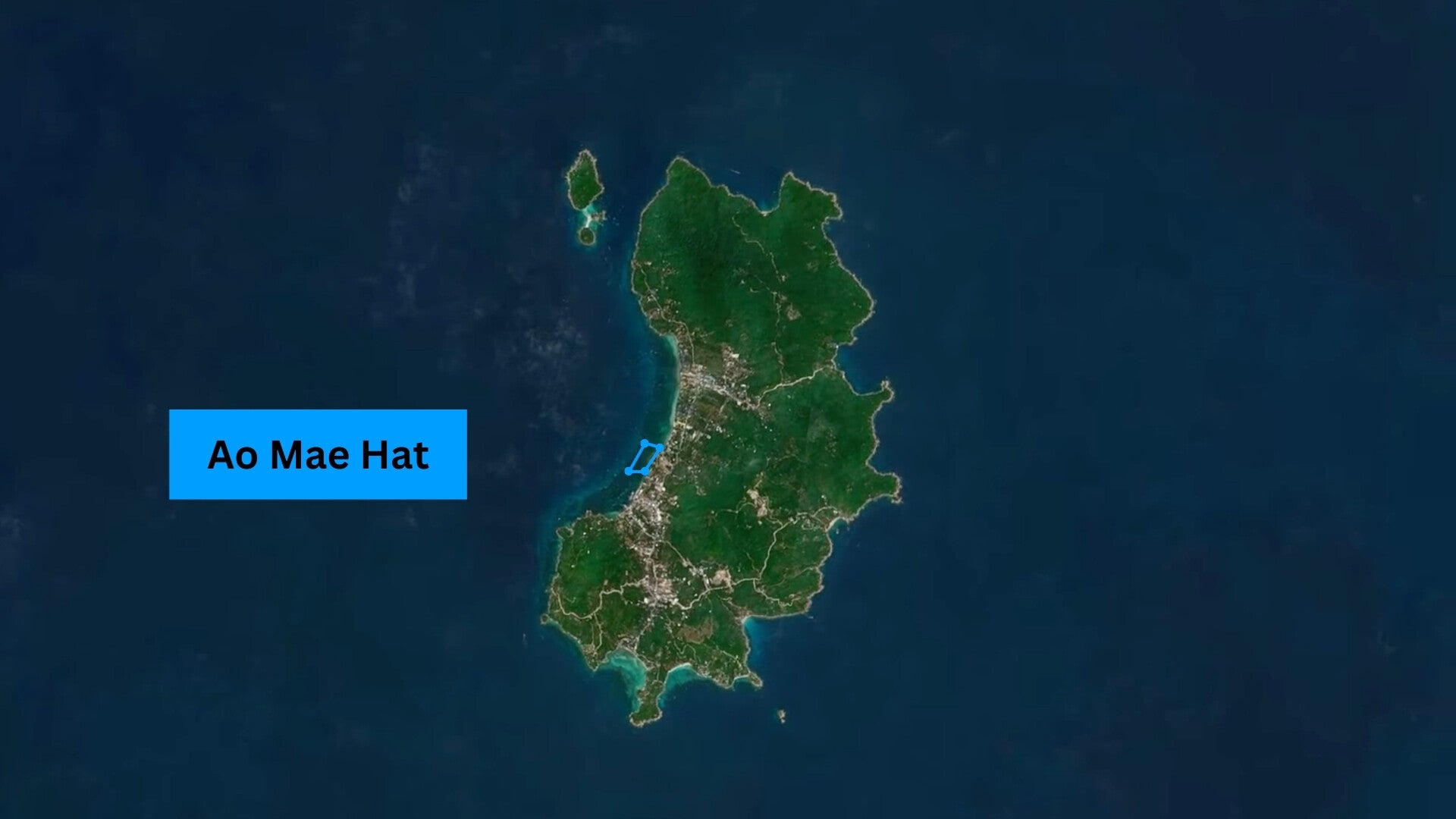

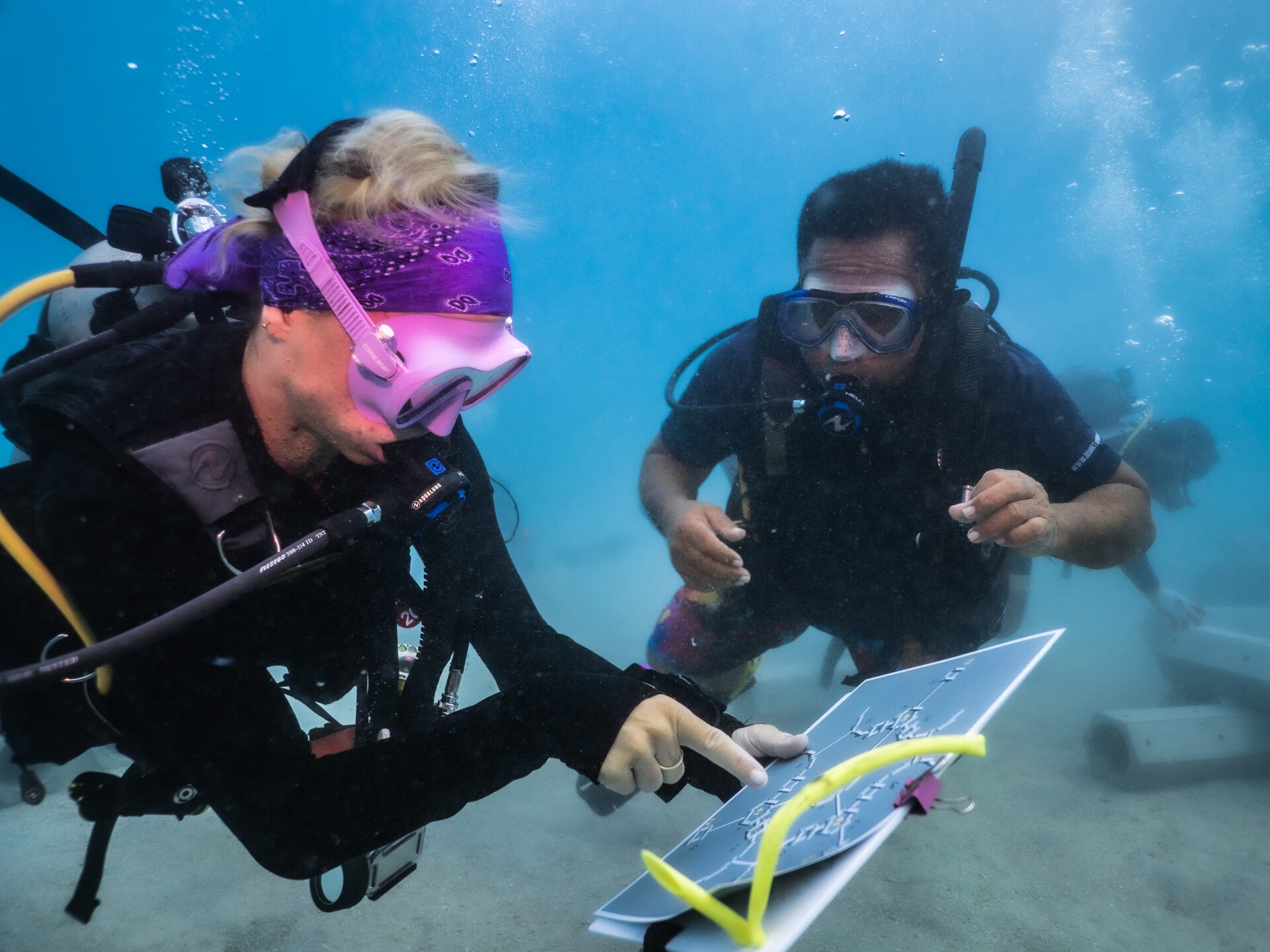
Stage 2: Installation of reefs in Ao Mae Hat with Black Turtle Dive
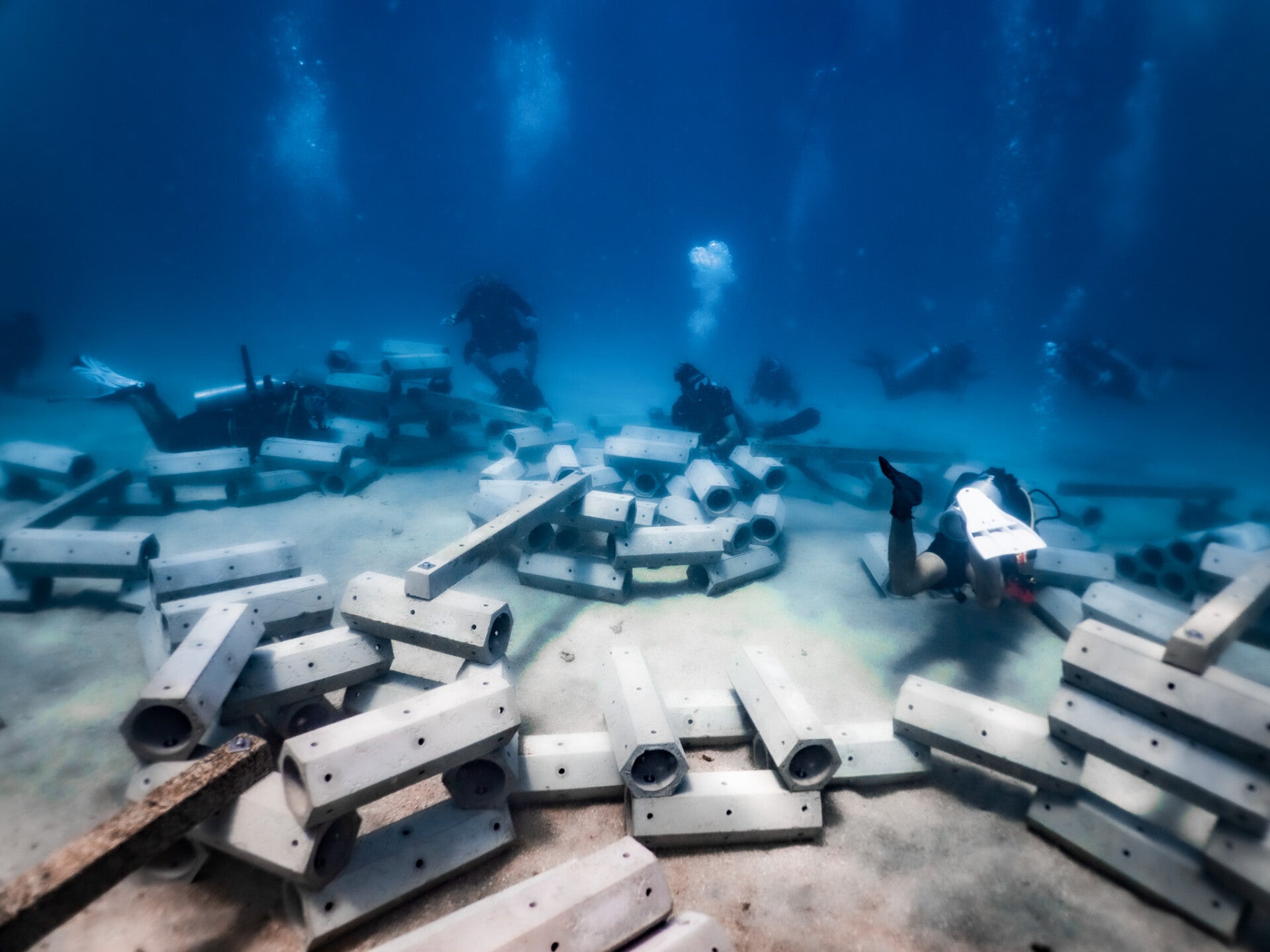
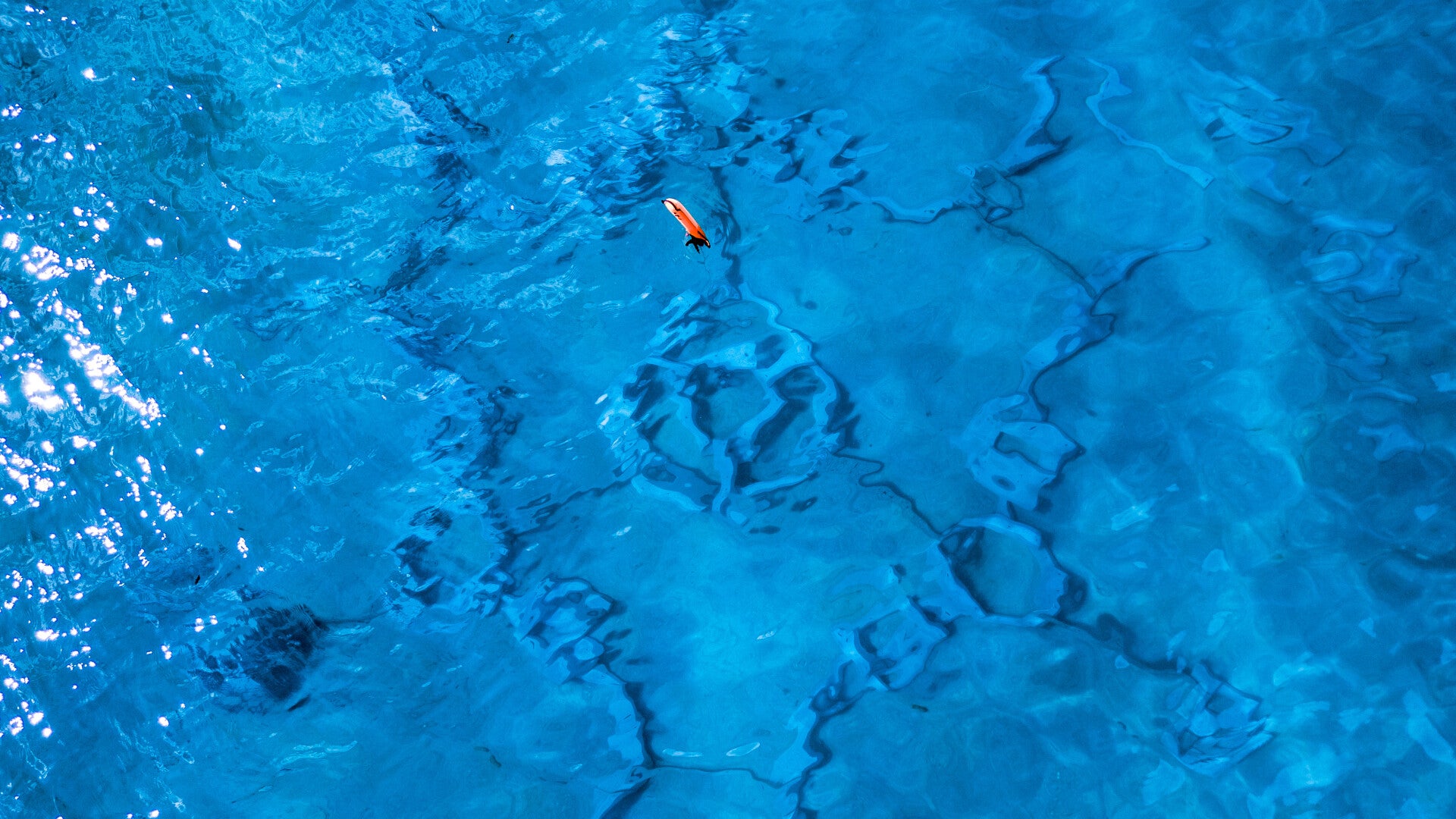
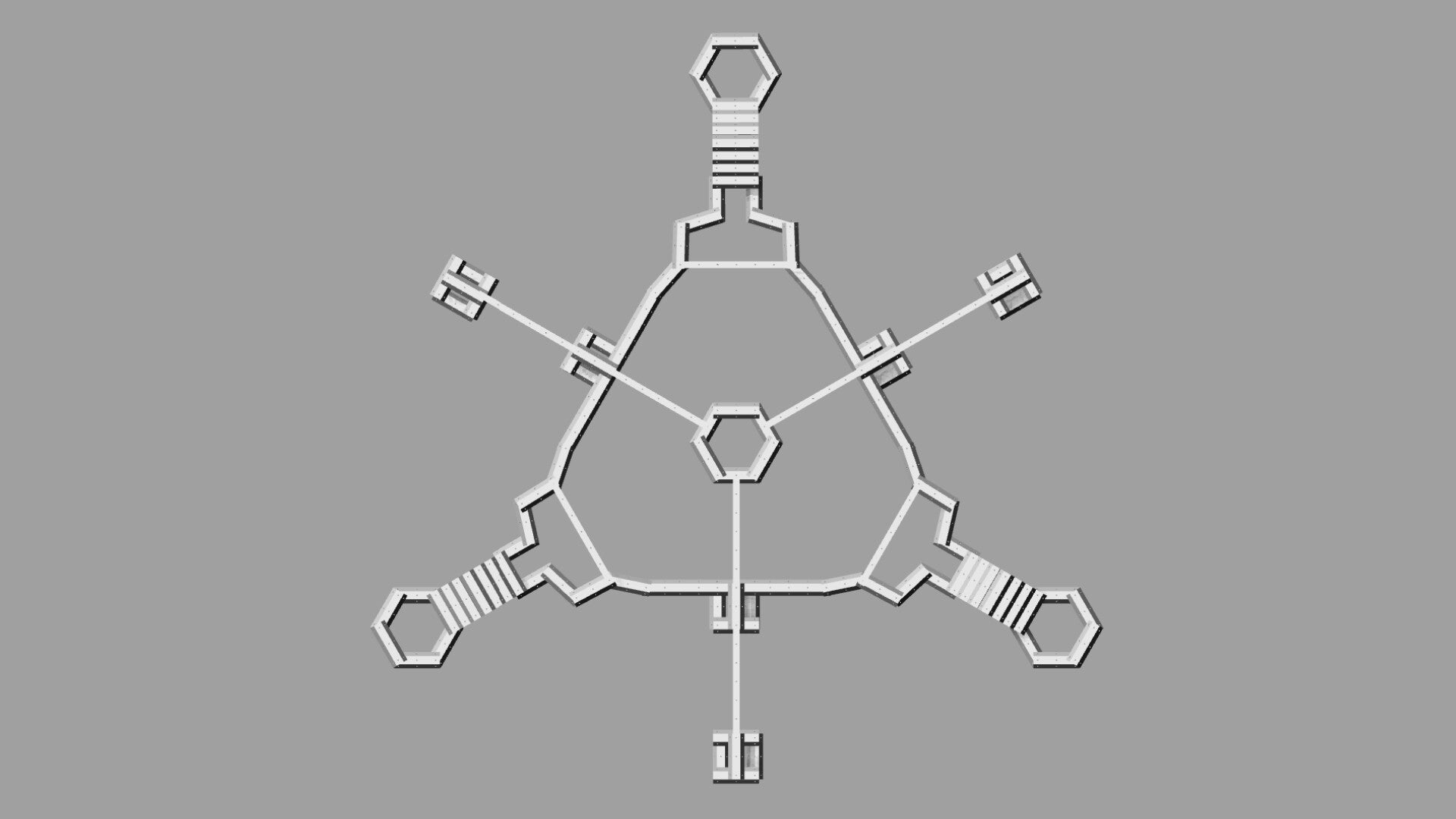
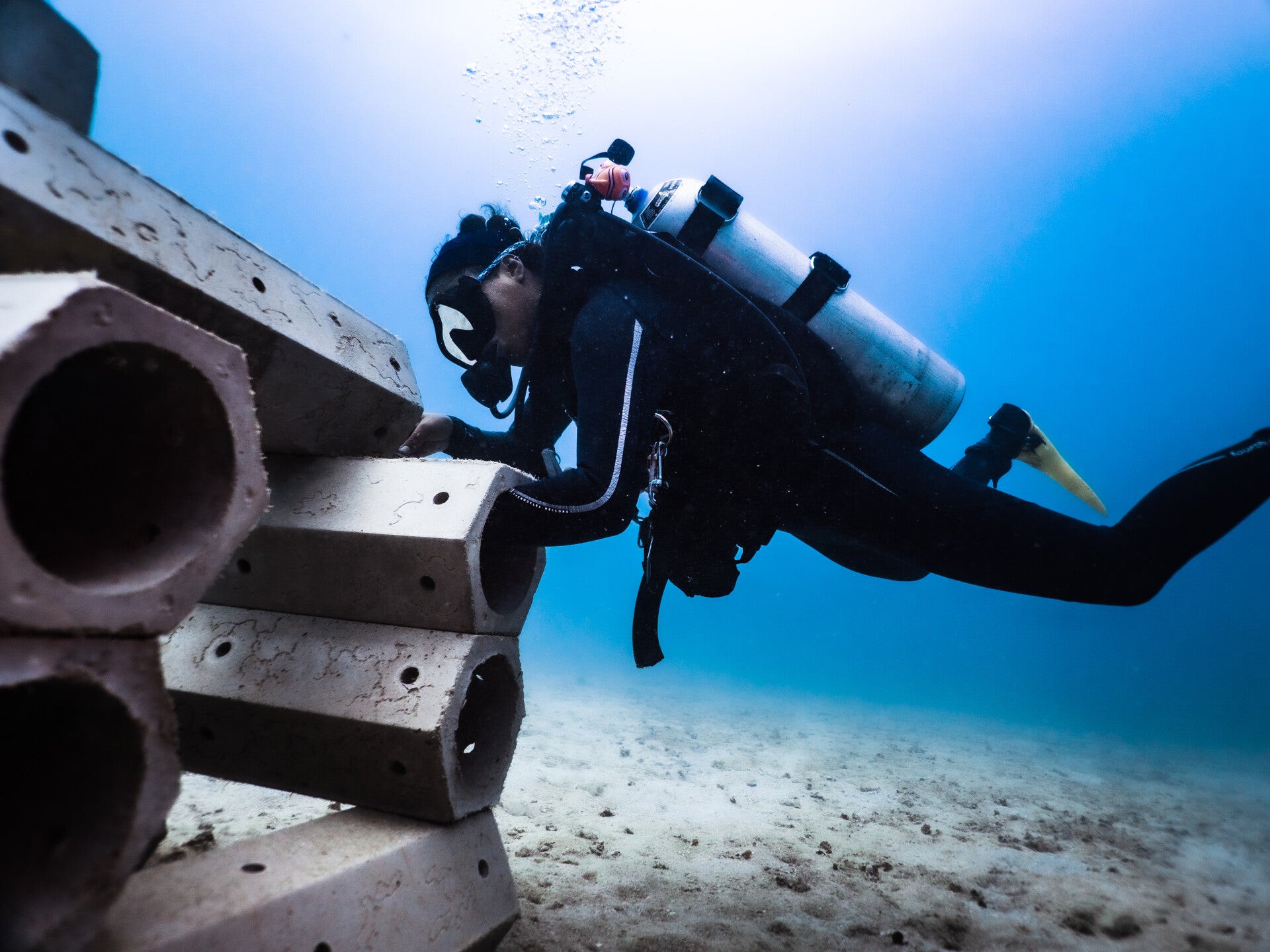
The first installation phase took place in Ao Mae Hat, where the team deployed MOSES units to create an artificial reef structure of 12 meters by 12 meters. The reef design was printed out and together with a professional diving team of Black Turtle Dive of 12 people the reef was installed in only 2 days! This effort was aimed to enhance marine biodiversity and provide new habitats for aquatic life in the area. The big structure is an interesting diving object, attracting tourists, which reduces the pressure of tourism on the natural reefs.


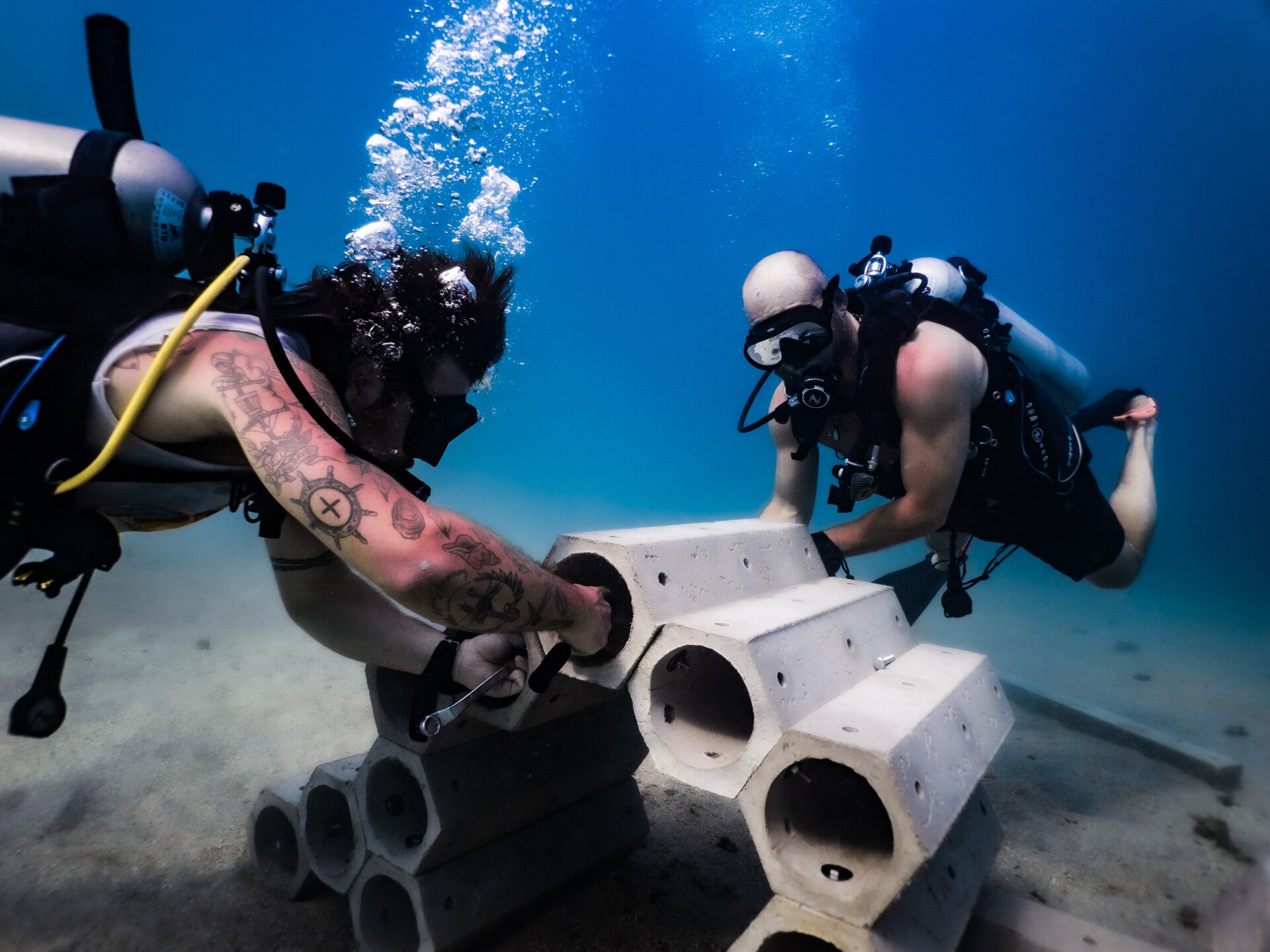


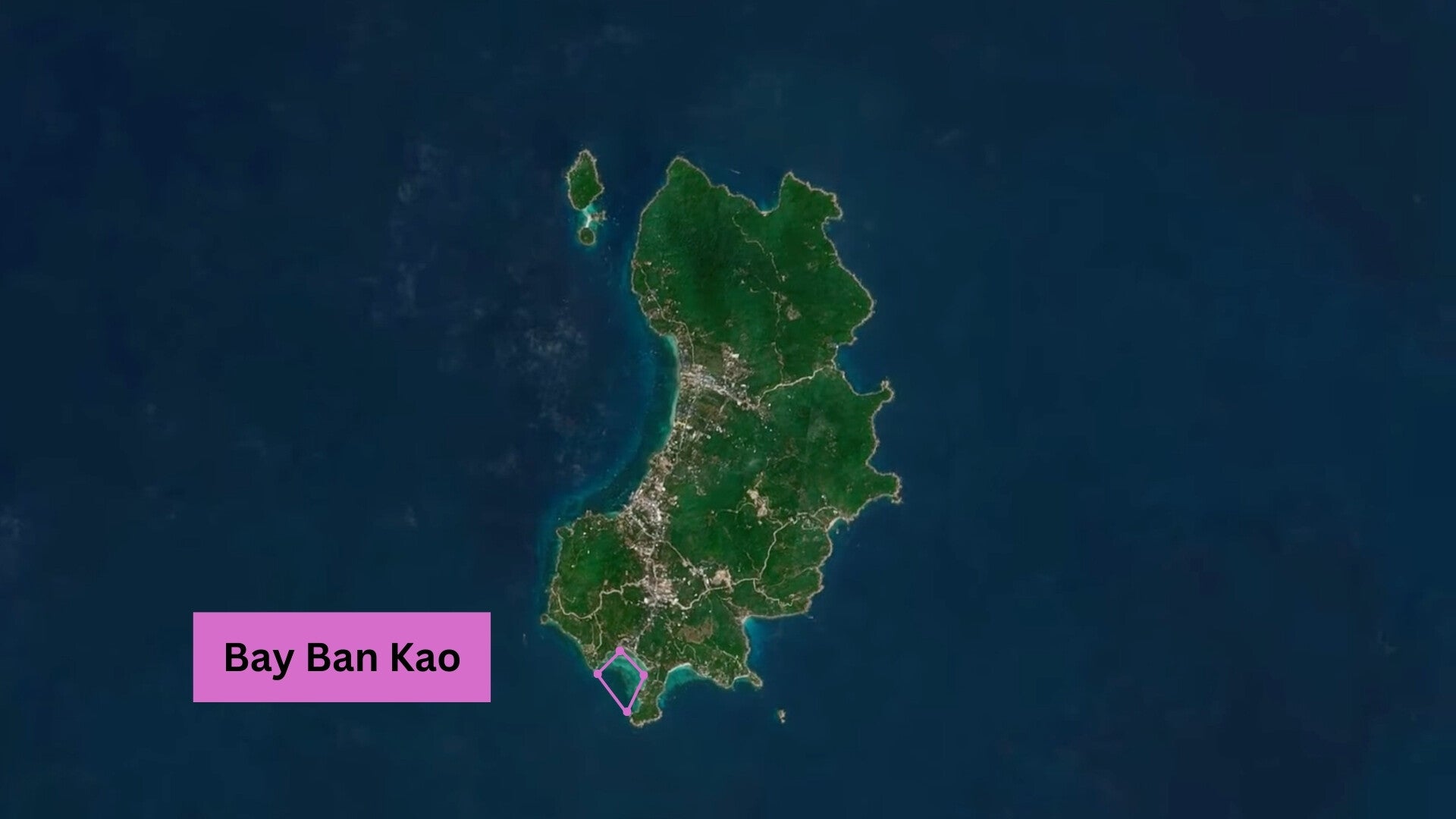
Stage 3: Installation of reefs in Bay Ban Kao with Global Reef
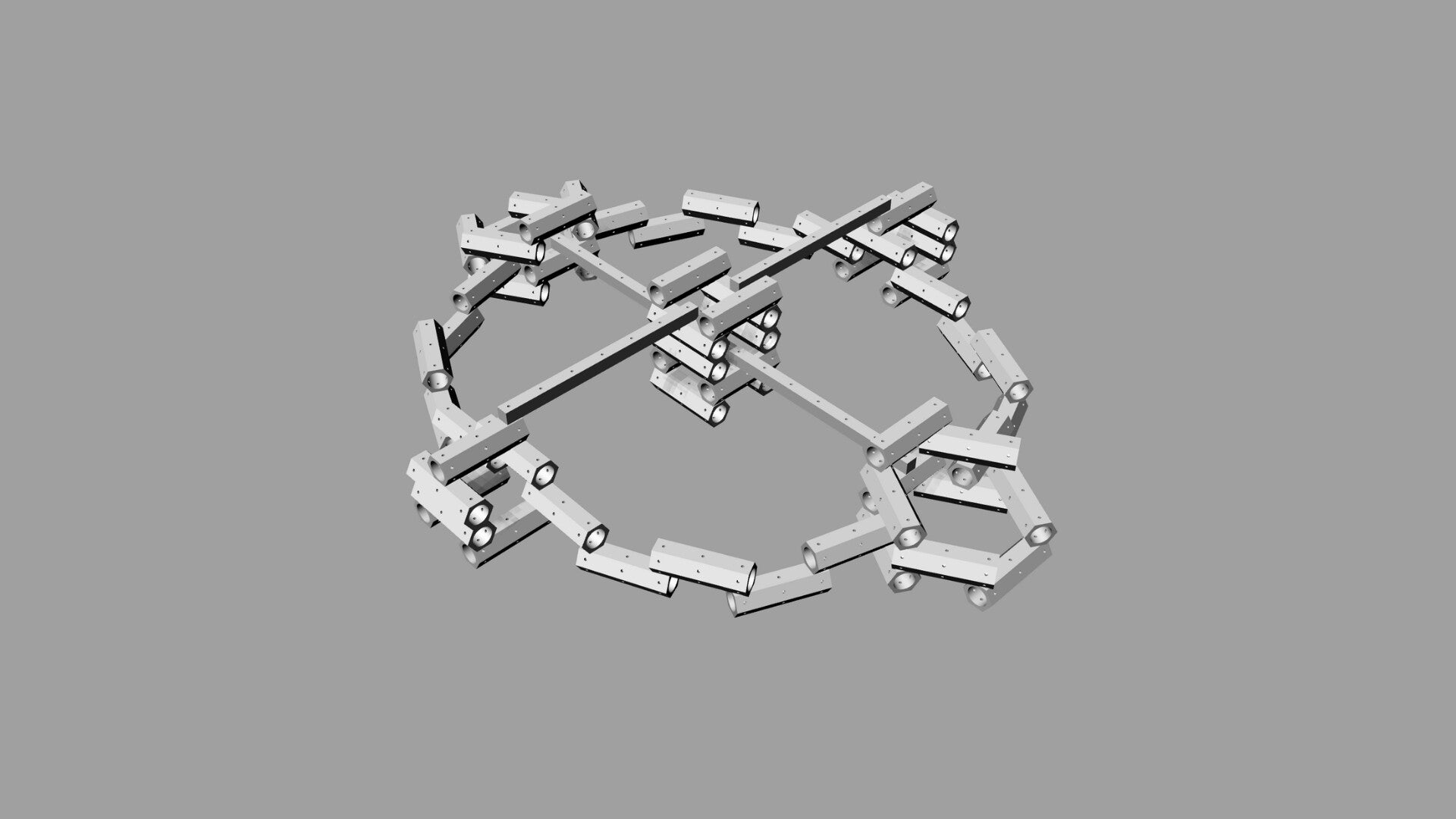
The project expanded to Bay Ban Kao, where ReefSystems partnered with Global Reef to install additional MOSES reef units. This phase focused on extending the artificial reef knowledge which scientific research to learn more about the settlement of natural coral larvae. By building four identical reefs and transplanting corals of opportunity on two of the structures we can learn more about the difference in development of a biodiverse ecosystem, coral growth, survival rates and natural development of artificial reefs versus active restoration through coral transplantation. By working together with several research institute in Thailand, a network is created to support a broader understanding of how to restore reefs in the future.




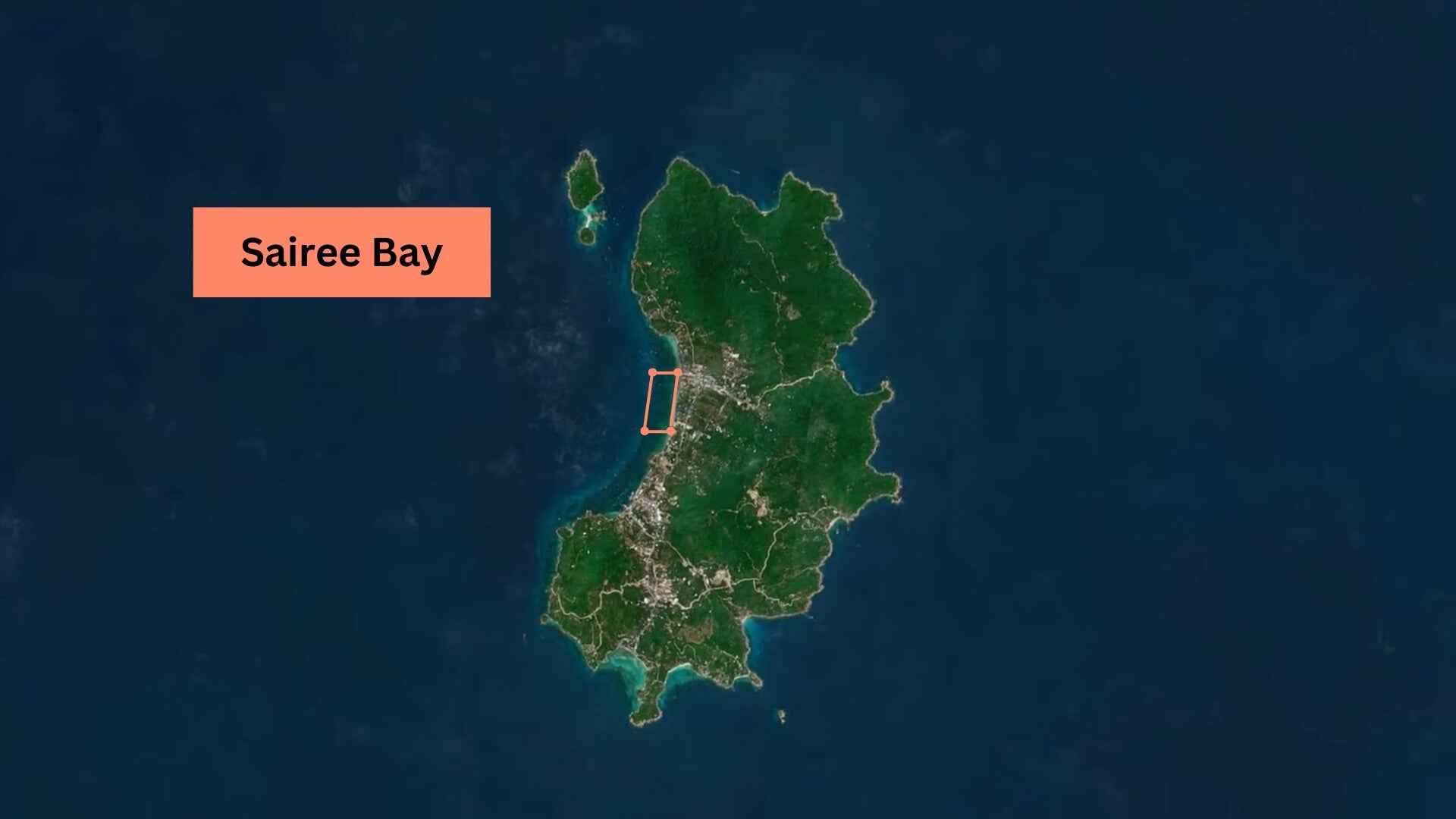
Stage 4: Installation of reefs in Sairee Bay with Ban's Diving Resort
The final installation stage occurred in Sairee Bay, in collaboration with Ban's Diving Resort. The deployment of MOSES units here further contributed to the restoration of marine ecosystems around Koh Tao, offering new opportunities for coral growth and marine life habitation.





Stage 5: Monitoring, coral transplantation and learning what works
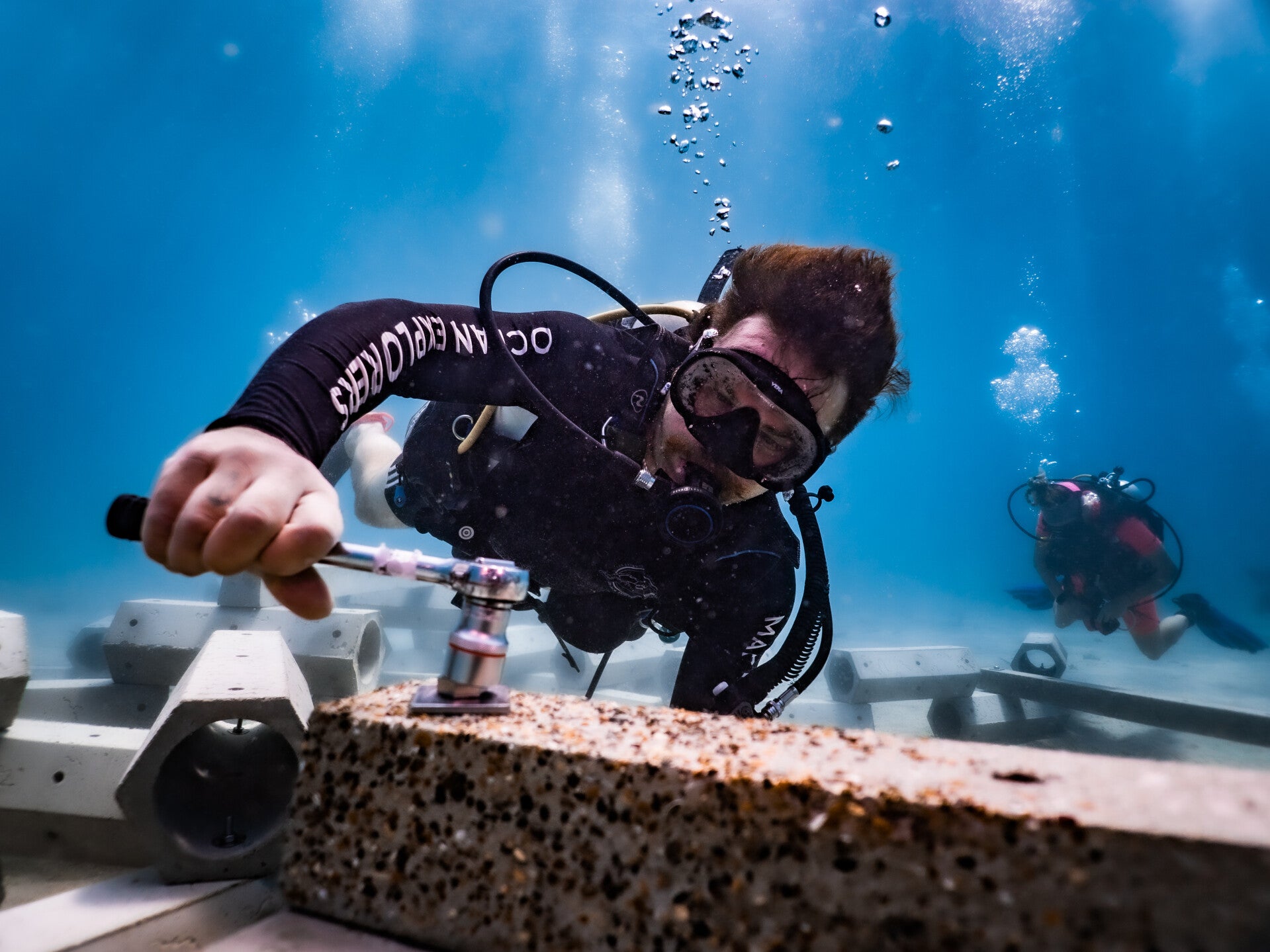
Following the first reef installations, the focus shifted towards coral transplantation and monitoring. Different coral species, including fast-growing Acropora and slow-growing boulder corals, were transplanted onto the MOSES structures using different attachment techniques. By monitoring survival and growth, and using 3D scans to track the development of individual corals and reef structures, the team is building a better understanding of which combinations of coral species and transplantation methods perform best. The first results are promising. Several transplanted boulder corals, for example, have successfully established themselves on the structures after one year. These findings are helping us develop a more targeted restoration strategy for future large-scale reef restoration in the Gulf of Thailand.


Stage 6: Improving our coral restoration techniques
Not everything worked perfectly during the pilot and these lessons became an important part of the project. Monitoring showed that the marine epoxy used to attach some of the corals did not always bond effectively to the relatively smooth surface of the MOSES structures. To improve this, we tested roughening the surface of newly produced elements before transplantation. The results were immediately promising: the rougher surface allowed the epoxy to bond more effectively, and after two weeks almost all newly transplanted corals were still firmly attached. These findings are now being incorporated into the production process, showing how monitoring and practical experimentation can directly improve future reef restoration activities.


Stage 7: Building the local reef production workshop
A key objective of the project has always been to move away from shipping reef structures around the world and instead develop the capacity to produce them locally. Together with the team at Black Turtle Dive, ReefSystems therefore started constructing a permanent production workshop on Koh Tao. The workshop was built together with local workers and equipped for the production of MOSES reef elements.


